






Commercial property does not reward impulsive decisions. It rewards observation. It rewards patience. Most importantly, it rewards people who can identify future momentum before the crowd notices it. Unlike residential purchases, where emotions often influence buying behaviour, commercial investments revolve around movement – movement of consumers, businesses, visibility, ambition, and capital.
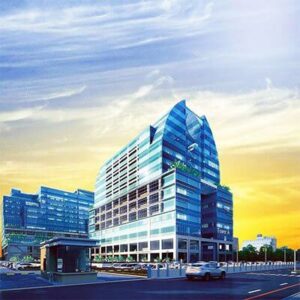
That is why entering the commercial real estate segment requires far more than simply choosing an attractive building. A polished façade can impress visitors for five minutes. A strategically designed commercial ecosystem can generate value for decades.
One of the first realities investors must understand is that location alone is no longer enough. Earlier, being situated near a highway or dense residential cluster automatically increased a project’s value. Today, investors must evaluate the behavioural mechanics of the surrounding environment. How long do visitors stay in the area? What type of consumers dominate the locality? Does the region support weekday business activity as strongly as weekend leisure movement? These questions matter because commercial success depends on sustained engagement, not occasional footfall.
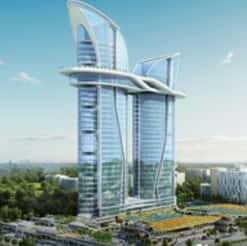
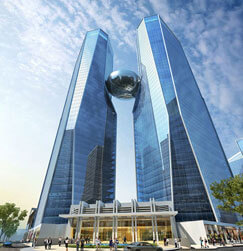
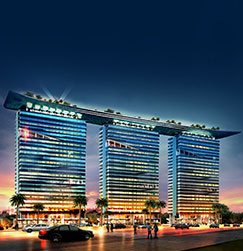
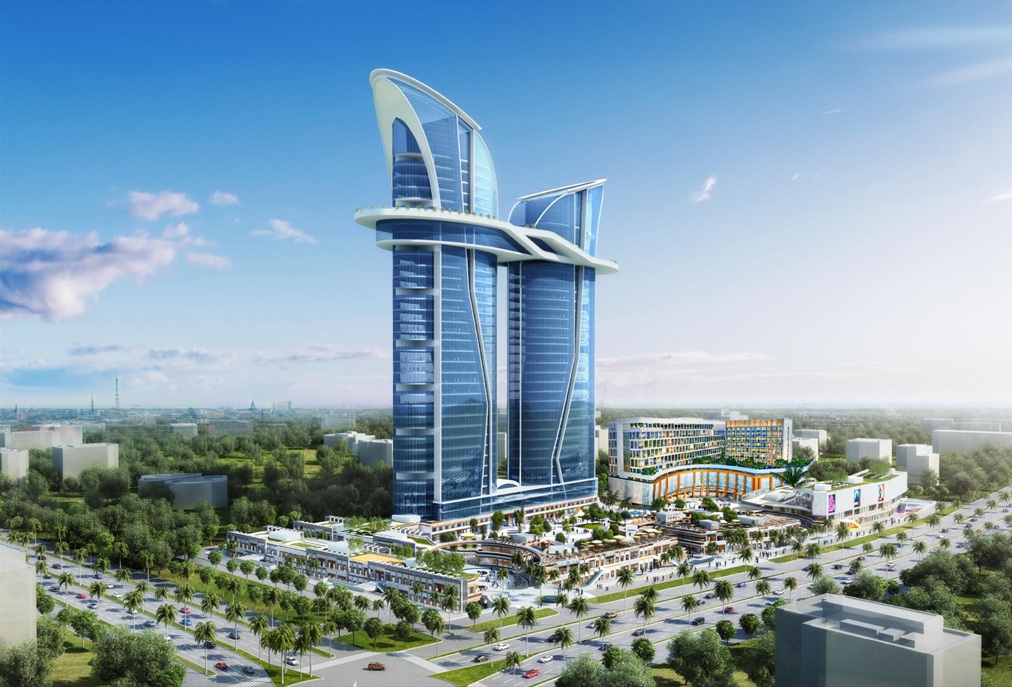
This is precisely why developments like Grandthum have generated increasing attention within Greater Noida West. The project has not been envisioned merely as a commercial structure filled with shops and offices. Instead, it behaves like an experiential business environment where architecture, entertainment, commerce, and urban lifestyle overlap seamlessly. The atmosphere feels kinetic rather than static.
Before buying commercial property, investors should also analyse the developer’s understanding of future market behaviour. Commercial spaces age rapidly when built around outdated business patterns. Consumer expectations evolve constantly. Office culture changes. Retail psychology transforms. Leisure habits shift. A project incapable of adapting eventually becomes visually modern but commercially exhausted.
Grandthum distinguishes itself because it has been crafted with multidimensional commercial utility. Office spaces, entertainment infrastructure, dining experiences, and retail activity coexist inside one integrated ecosystem. That diversity creates economic resilience. If one segment experiences slower growth temporarily, the others continue sustaining movement across the property.
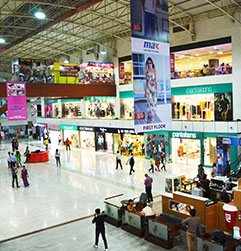
Another important aspect investors frequently overlook is circulation intelligence. Many commercial projects appear impressive in brochures yet fail operationally because human movement becomes fragmented after entry. Poor navigation weakens store visibility and reduces consumer retention. Successful commercial developments guide movement naturally, encouraging exploration rather than confusion.
At Grandthum, circulation feels intentional. Visitors move through the environment fluidly instead of mechanically. That subtle behavioural difference matters enormously because longer engagement usually increases commercial spending and business visibility.
Connectivity should never be treated casually while evaluating commercial property. Businesses thrive where accessibility feels effortless. Wider roads, expressway proximity, residential integration, and transportation convenience collectively influence occupancy potential. Commercial real estate essentially monetises accessibility. The easier it becomes for people to arrive, interact, and return, the stronger the long-term commercial viability becomes.
Financial discipline is equally important. Many first-time investors become captivated by dramatic presentations while ignoring operational fundamentals. Rental sustainability, maintenance structures, appreciation potential, tenant demand, and surrounding development patterns should always be evaluated analytically. Commercial property succeeds when aspiration and mathematics operate together.
Another modern reality reshaping commercial investment is experiential consumption. Consumers no longer visit spaces merely to purchase products. They seek environments that offer stimulation, comfort, convenience, and social interaction simultaneously. This behavioural evolution has changed how successful commercial projects are designed.
Grandthum understands this shift remarkably well. The project feels immersive without becoming excessive. It delivers visual drama while still maintaining practical business functionality. That balance is difficult to achieve and even harder to sustain over time.
Investors should also recognise the importance of brand perception within commercial environments. Businesses prefer spaces that strengthen their professional identity. Employees enjoy working in destinations that feel aspirational. Consumers naturally gravitate toward places that create memorable impressions. A commercially successful project therefore operates psychologically as much as architecturally.
Greater Noida West itself has emerged as a significant catalyst for commercial growth. Expanding residential density, improving infrastructure, rising consumer spending, and increasing urban migration have collectively transformed the region’s economic rhythm. Commercial investments here are no longer driven only by future speculation. They are increasingly supported by present-day demand.
Ultimately, buying commercial property is not about purchasing square footage. It is about identifying where future economic energy will accumulate. The strongest investments usually emerge from projects capable of combining accessibility, experience, adaptability, and long-term relevance into one cohesive environment.
Grandthum represents that contemporary philosophy powerfully. Instead of behaving like a conventional commercial complex, it functions as a dynamic urban destination built for evolving business behaviour. And in today’s commercial landscape, that distinction changes everything.